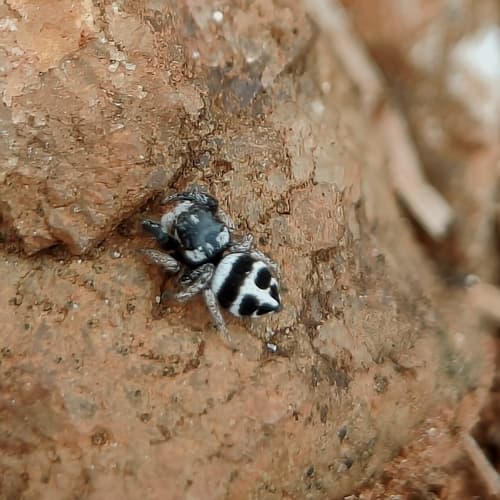
Vrishabhavathi River

The Vrishabhavathi River faced considerable environmental stress this month, primarily from recurring air pollution and nearby fire incidents. While a rich diversity of flora and fauna was observed, indicating a vibrant ecosystem, the constant burden of unhealthy air quality and the threat of fires are concerning. The river's flow was dynamic, responding to early monsoon rains.
Threats
Consistently high levels of PM2.5 and PM10, with Air Quality Index (AQI) frequently reported as "Unhealthy" (e.g., 161, 169, 177) and even "Very Poor" (234) by OpenAQ, indicating a significant burden on the environment.
Multiple fire hotspots detected near the river, with the closest reported at 8.9 km on June 17th and others within 22-24 km on June 14th, 18th, and 24th.
Solutions
- →Implement regular, harmonized air quality monitoring across different agencies to provide consistent and reliable data for public awareness and policy-making.
- →Investigate and mitigate primary sources of particulate matter pollution affecting the river, focusing on industrial emissions, vehicular exhaust, and waste burning.
- →Establish rapid response teams and community engagement programs for fire prevention and suppression in areas surrounding the Vrishabhavathi River.
- →Conduct a comprehensive ecological survey to assess the impact of varying water flow and air quality on the river's diverse species.
Species spotted
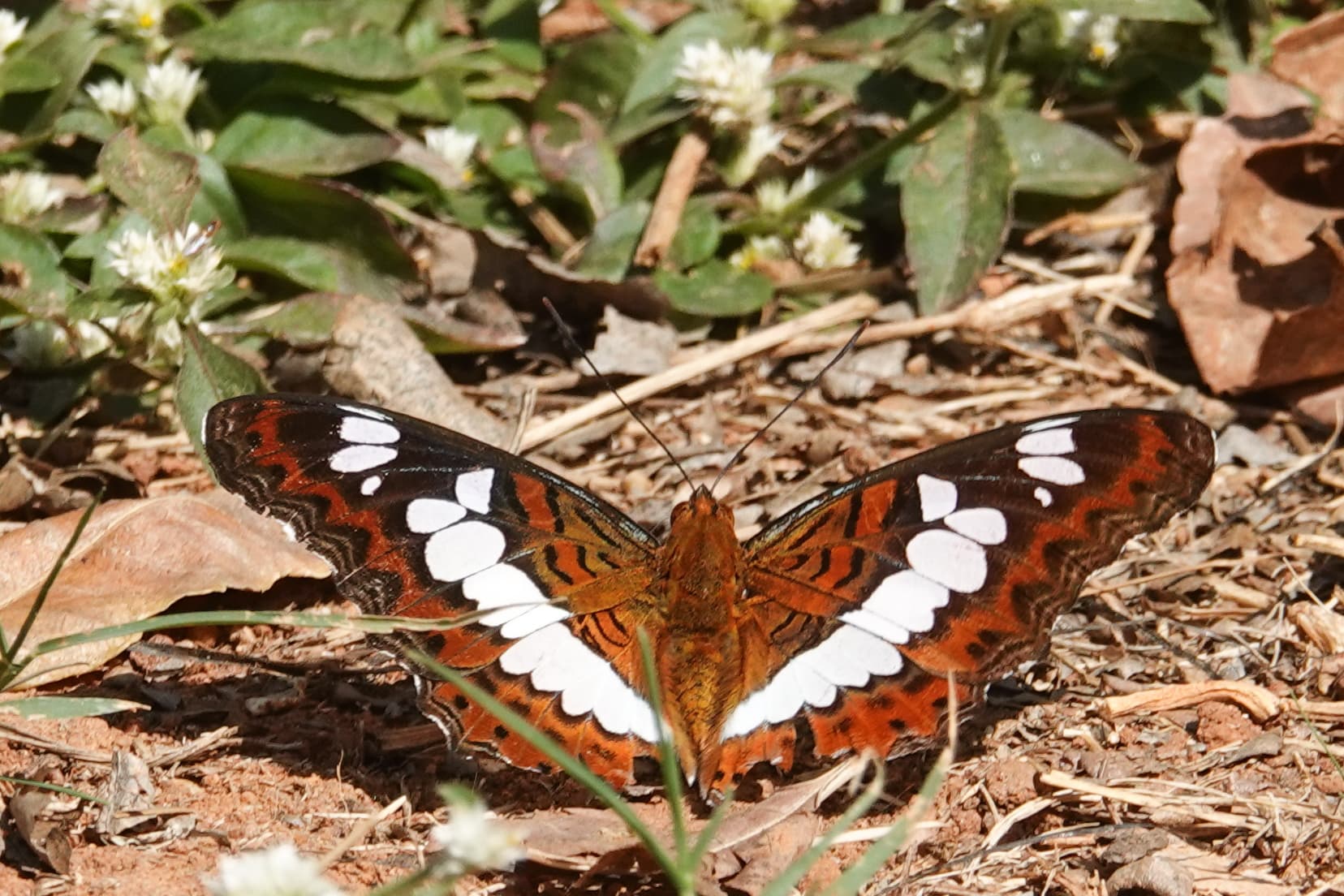
Commander
insects · 17 sightings

Domestic Cat
animals · 7 sightings

Rock Pigeon
birds · 5 sightings
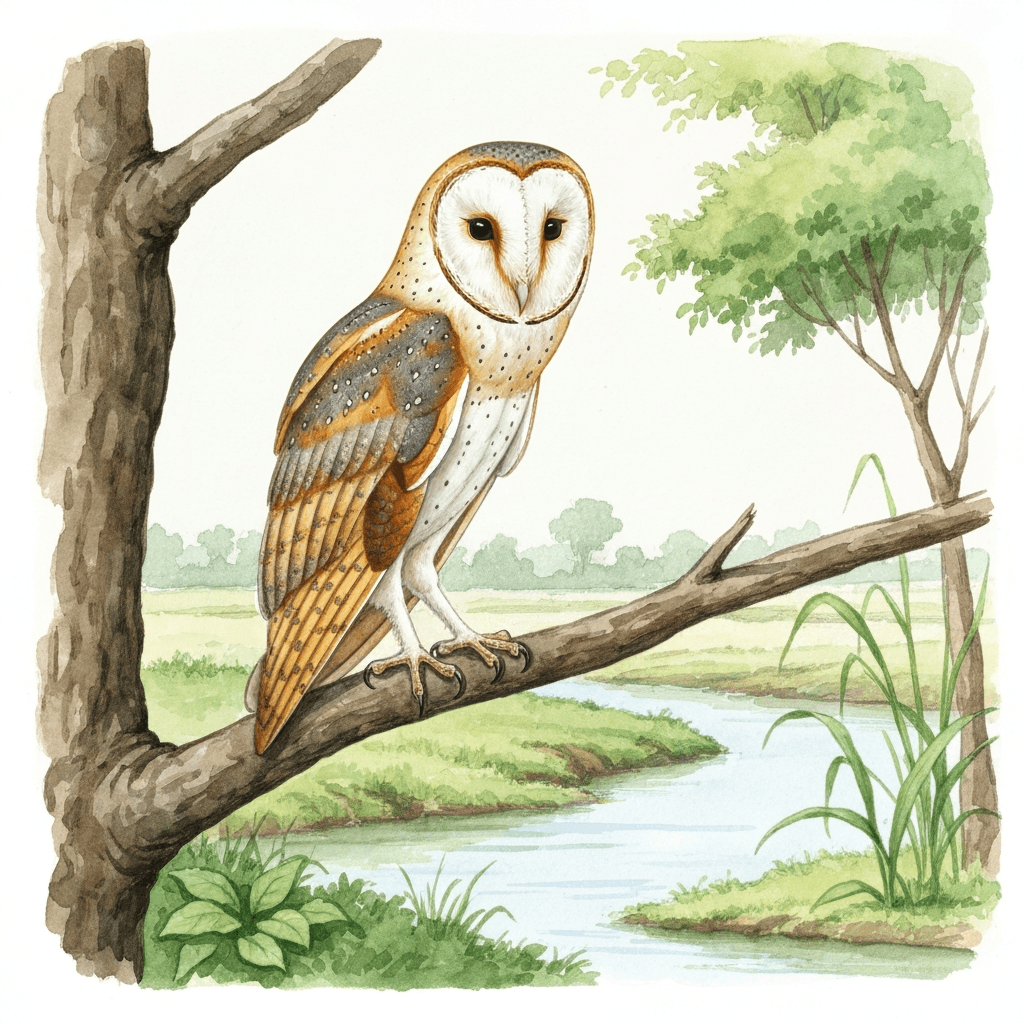
Eastern Barn Owl
birds · 3 sightings

Domestic Dog
animals · 2 sightings

Indian Black Turtle
animals · 2 sightings