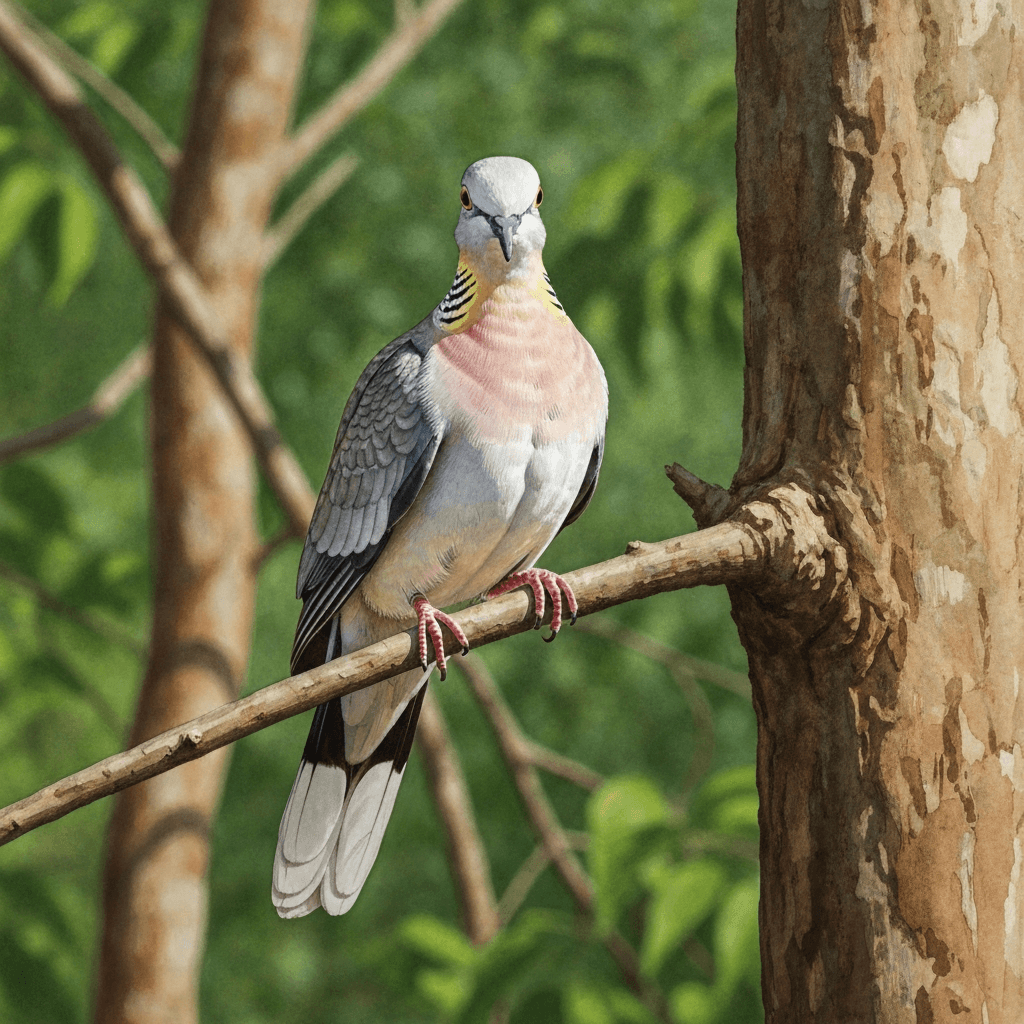
Mangar Bani

Mangar Bani experienced a challenging month, grappling with consistently poor to very poor air quality, evidenced by high PM2.5 levels and extreme AQI readings. Multiple fire hotspots were detected dangerously close, posing an immediate threat to the forest's integrity. Compounding these issues, the forest continued to suffer from persistent low soil moisture, indicating ongoing water stress.
Threats
Consistently poor to very poor air quality with PM2.5 levels frequently exceeding 100-200 micrograms per cubic meter, and AQI reaching 334 ("Very Poor") and 418.
Multiple active fire hotspots detected within 50 kilometers, with the closest reported as near as 5.2 kilometers and 8.7 kilometers from the forest's edge.
Soil moisture remained consistently low, around 16-17%, throughout the month, despite high humidity, indicating persistent water scarcity for the vegetation.
Solutions
- →Implement real-time air quality monitoring and public awareness campaigns for local communities, advising protective measures during "Very Poor" air days.
- →Establish and enforce a strict buffer zone around Mangar Bani, prohibiting activities that could lead to fires, complemented by regular ground patrols and firebreaks.
- →Develop a comprehensive water conservation strategy for the region, including rainwater harvesting and exploring sustainable irrigation for surrounding areas to reduce water table depletion.
- →Advocate for stricter regional industrial and vehicular emission controls to mitigate the external sources of air pollution impacting the forest.
Species spotted
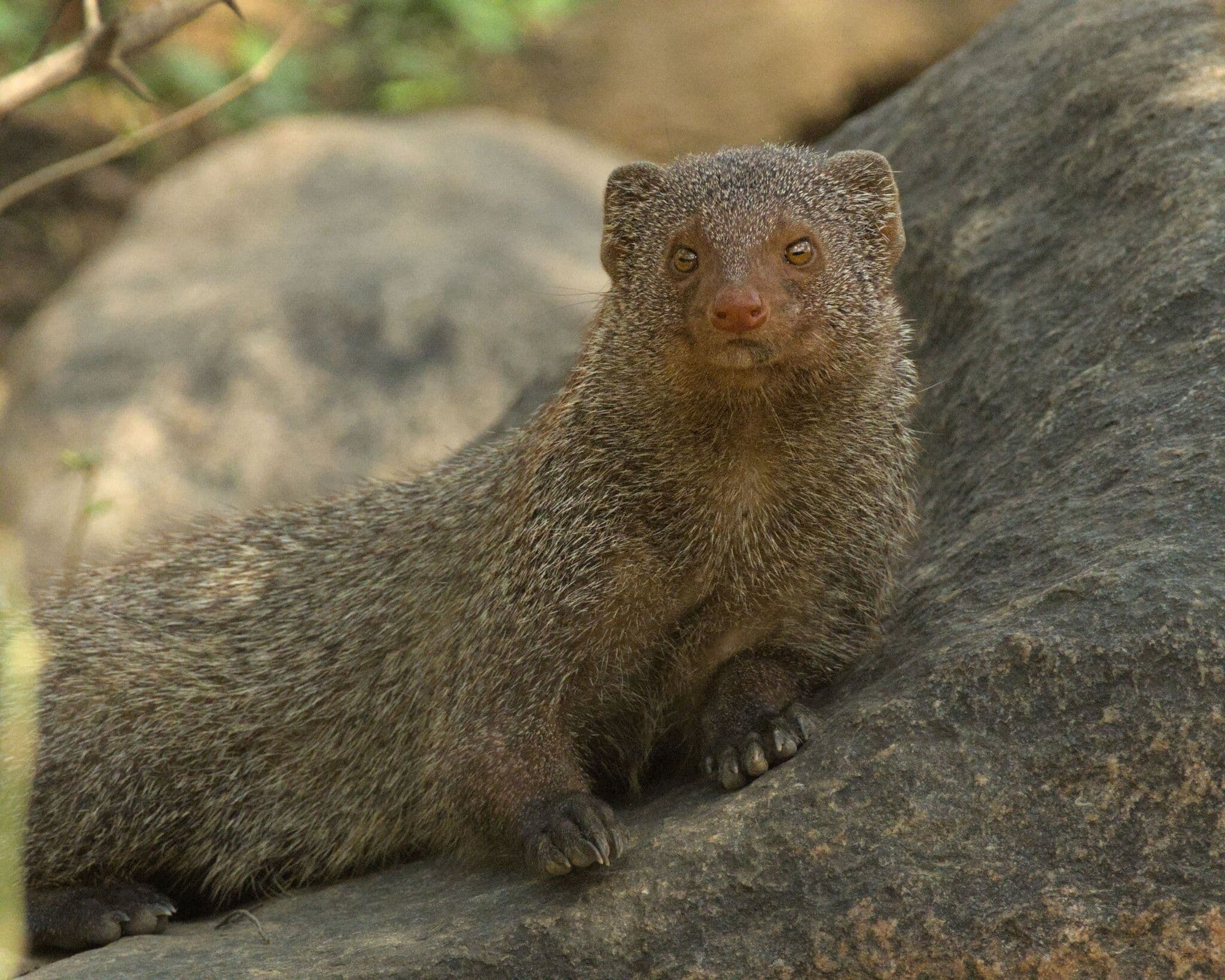
Indian Gray Mongoose
animals · 5 sightings

Rock Pigeon
birds · 1 sightings
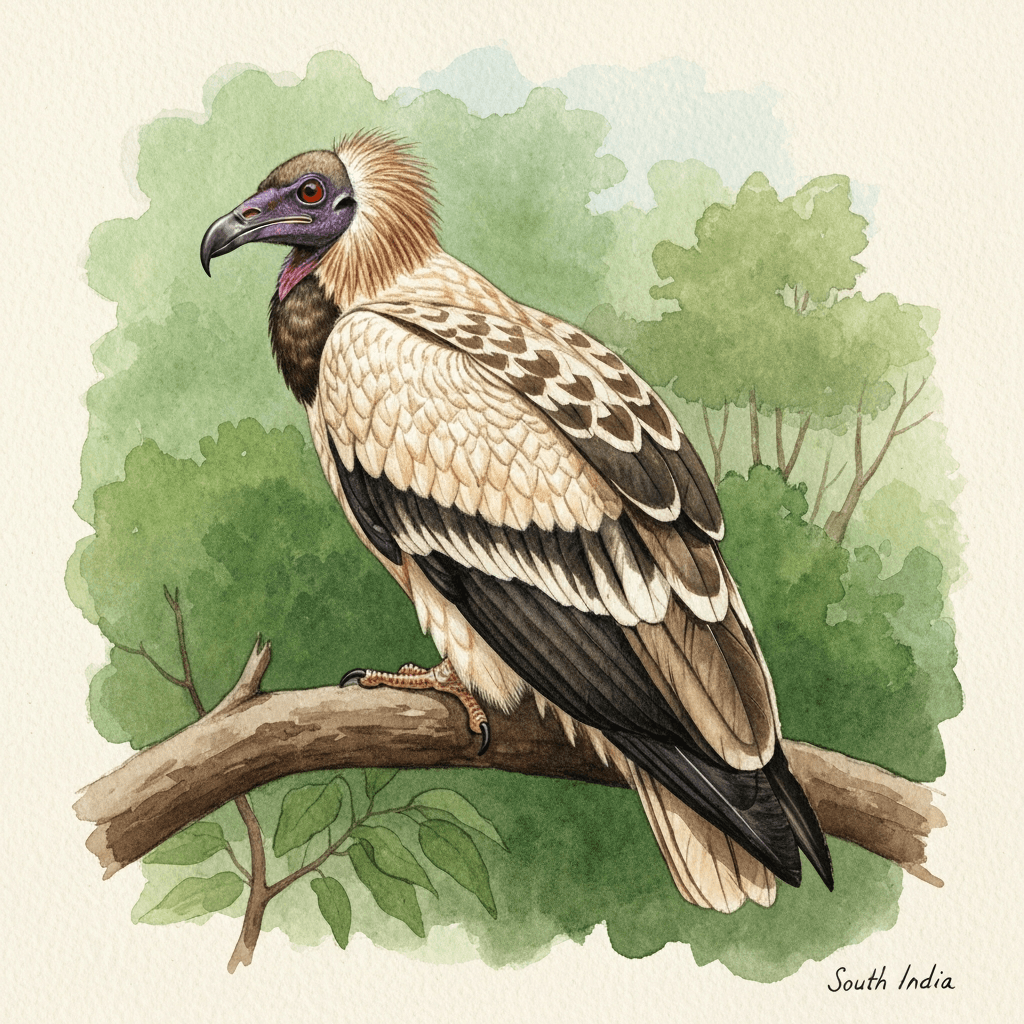
Egyptian Vulture
birds · 1 sightings

Black Kite
birds · 1 sightings

Common Tailorbird
birds · 1 sightings