
Mangar Bani

Mangar Bani experienced significant environmental stress this month, primarily from severe air pollution with an AQI of 334 and high PM2.5 levels. A fire hotspot just 5.2 km away also posed an imminent threat. Despite these challenges, wildlife such as Rock Pigeons and a mongoose were observed foraging, indicating some continued ecological activity within the forest.
Threats
Severe air quality with an AQI of 334 ("Very Poor") and PM2.5 levels at 155 µg/m³, causing a heavy, gritty atmosphere.
A fire hotspot was detected just 5.2 km from the forest, posing an immediate danger of spread.
Low soil moisture at 17% combined with high temperatures (31.3°C ambient, 34.9°C felt) indicates significant water stress for vegetation.
Solutions
- →Implement enhanced air quality monitoring stations around Mangar Bani to identify pollution sources and advocate for stricter emission controls in nearby urban areas.
- →Establish and maintain firebreaks along the perimeter of Mangar Bani and deploy rapid response teams for early detection and suppression of wildfires.
- →Initiate water conservation efforts within the forest, such as rainwater harvesting or planting drought-resistant native species, to mitigate the impact of low soil moisture.
- →Conduct regular wildlife health assessments to monitor the impact of environmental stressors on local fauna and inform conservation strategies.
Species spotted

Rock Pigeon
birds · 1 sightings
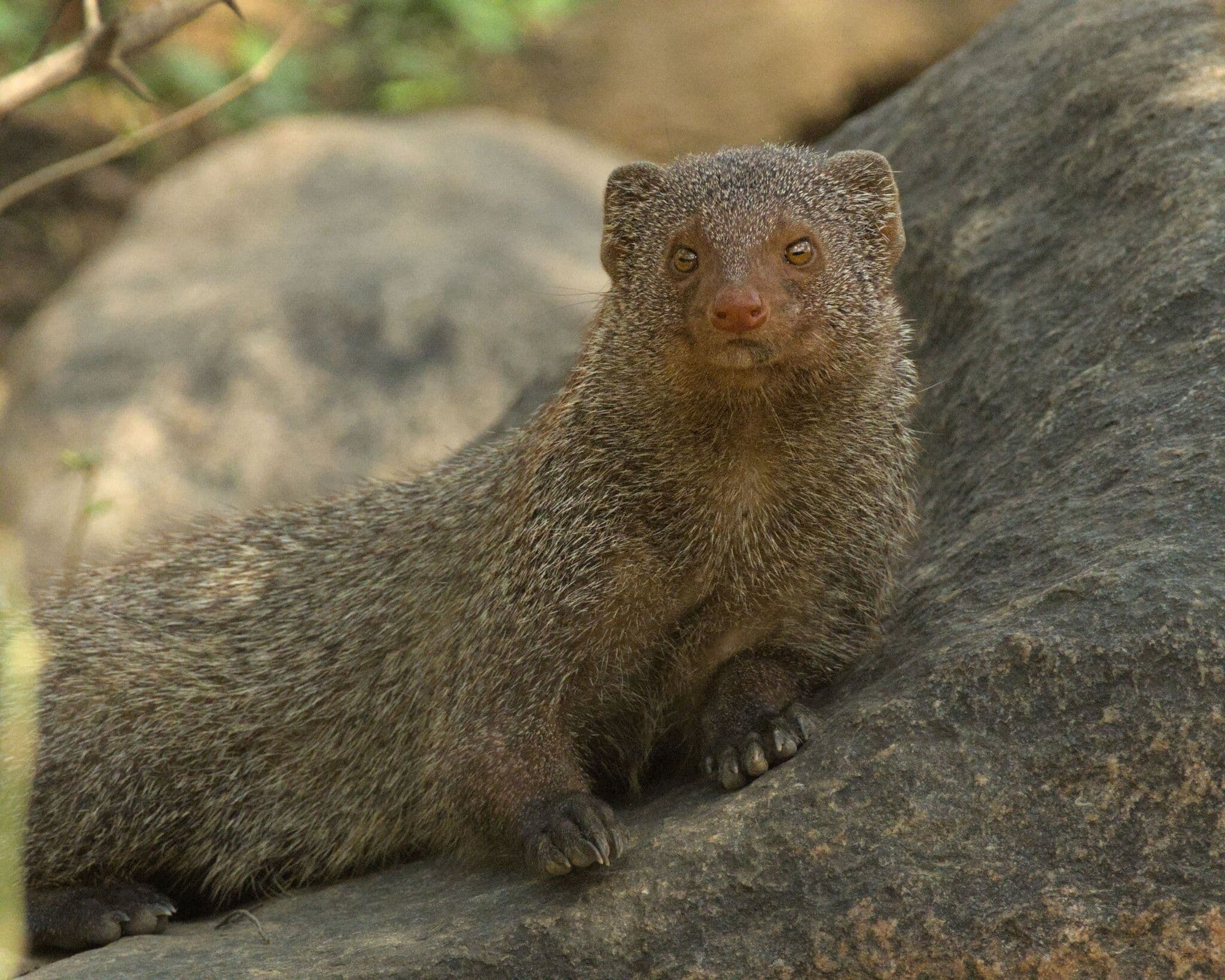
Indian Gray Mongoose
animals · 1 sightings


